HL Hunt frames its Business Credit Builder as the “revolving half” of a two-product credit-building strategy
A company explainer on credit builder loans positions HL Hunt’s own revolving tradeline as the complement to installment-based builder loans, arguing the pairing covers more of a business credit file than either product alone.
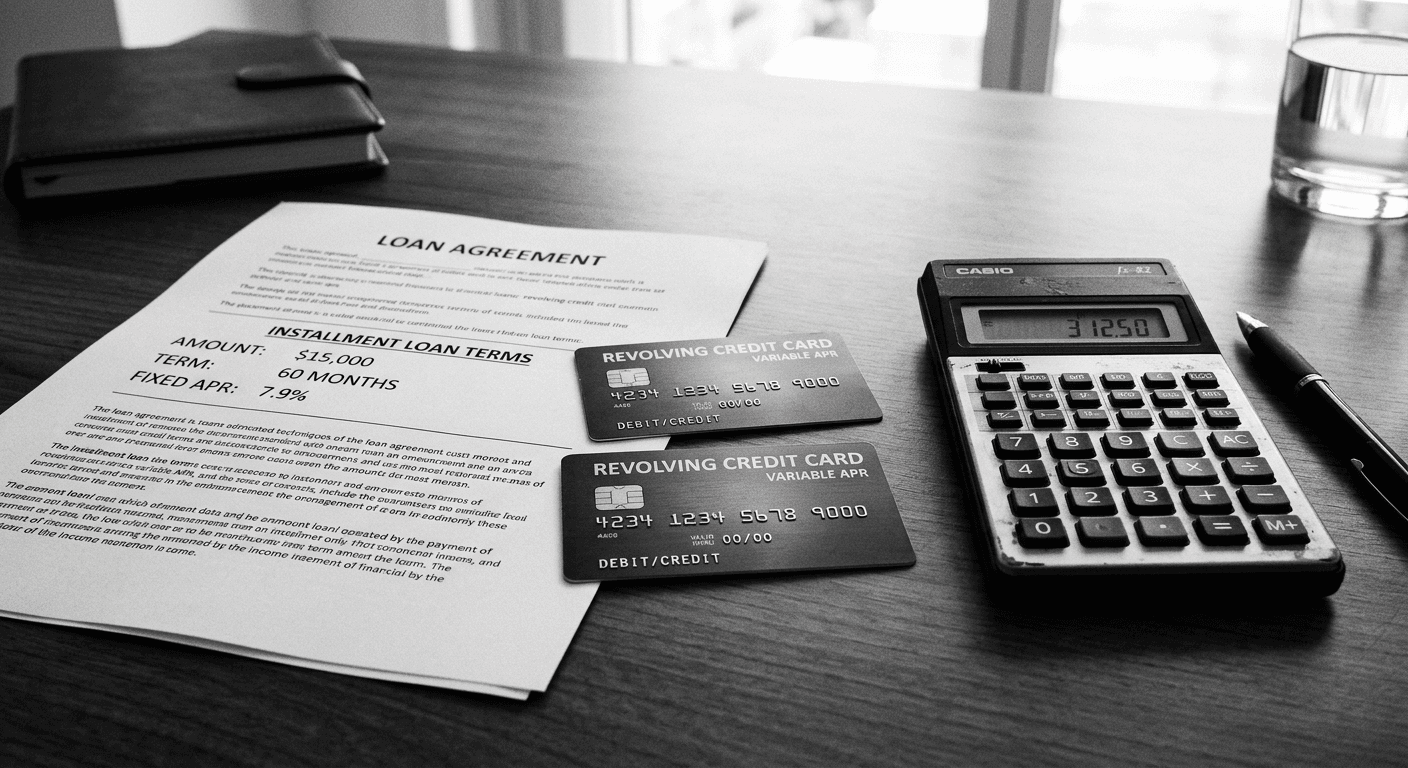
HL Hunt Financial has published an educational explainer on credit builder loans that doubles as a positioning piece for its own Business Credit Builder product, arguing the two account types are complements rather than competitors in a small business's credit-building strategy.
The explainer describes a credit builder loan as a "reverse loan": a lender deposits a set amount — commonly $300 to $1,000, per the company's own description of the category — into a locked savings account, and the borrower makes fixed monthly payments over a term of six to 24 months, with each payment reported to the credit bureaus. At the end of the term, the borrower receives the principal. Because the lender's money is never released unsecured, the company notes, approval typically requires no credit history or score, which is why the product is marketed to thin-file and credit-invisible borrowers.
HL Hunt's explainer cites CFPB research finding that participants without existing debt saw a meaningful increase in the likelihood of having a credit score at all after taking a credit builder loan, alongside savings accumulation. It also cites the same research's caveat: participants who already carried debt were more likely to miss payments after taking on a builder loan. The company frames this as a reason the product suits borrowers with stable cash flow rather than those already financially stretched — a caveat drawn from the cited research rather than from HL Hunt's own data.
The core argument of the piece is structural. Installment credit builder loans report payment history but, having no credit limit, cannot feed a business's revolving-utilization ratio — a separate and heavily weighted factor in commercial credit scoring. HL Hunt positions its own Business Credit Builder, a revolving tradeline product covered previously on this site, as filling that specific gap: reporting both on-time payments and a utilization ratio with no security deposit required, versus the locked-savings structure of a builder loan. The company's suggested strategy is to run both products at once, arguing the combination reports payment history twice, covers utilization once, and completes both installment and revolving credit mix.
The comparison is HL Hunt's own characterization of the category and of its competitive position within it, and it does not disclose which specific installment lenders it is comparing itself against or provide independent data on outcomes for businesses that pair the two product types. Businesses considering the pairing should independently confirm bureau-reporting practices and total costs across both products before committing to either.